Why the Sealant in Your Expansion Joints Keeps Failing
A joint is a deliberate gap in the building, and the sealant is the only thing standing between that gap and the weather.
October 16, 2026 · 4 min read
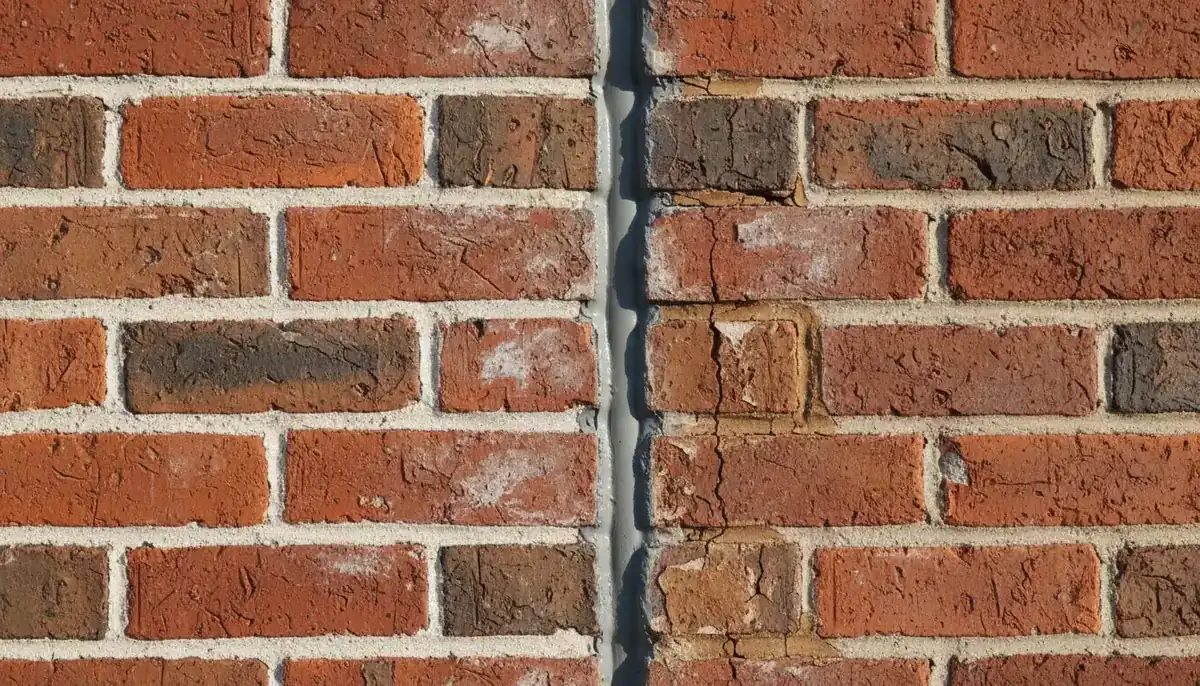
A big building isn't one rigid object. It heats up in the afternoon sun and cools overnight. Slabs settle a little. Wind and traffic flex the structure. Designers deal with all that movement by building deliberate gaps into the structure, called expansion joints, and filling them with flexible sealant. The gap lets the building move. The sealant keeps water out of the gap. When the sealant fails, you have a slot that leads straight into the building.
Why the sealant gives up
Sealant is a rubbery bead, and it works by stretching and compressing as the joint opens and closes. It doesn't last forever. Sun and heat harden it. Repeated movement fatigues it. Eventually it cracks across its width, or it peels away from one side of the joint, which is called adhesion loss. Sometimes the bead was installed too thin, or against a dirty surface, and it never bonded well in the first place.
In a climate like ours there's a second problem. The joint stays warm and wet, and debris packs into any crack that opens. Leaves, grit, and dirt hold water against the edges of the joint and keep it there. A seam that was supposed to shed water turns into a place that holds it.
The warning signs are usually visible if you look. The bead feels hard and glassy instead of rubbery. It's split down the middle, pulled back from an edge, or missing in places. A bead that has lost its stretch can't follow the movement anymore, and the next hot afternoon or settling slab will open it further.
Three kinds of joints, three kinds of trouble
- Masonry gaps: the control joints in brick and stone walls, and the gaps where masonry meets windows, doors and other materials. When these open, water gets behind the facade.
- Concrete joints: sidewalks, parking lots and foundations all have joints cut or formed to control cracking. Failed sealant here lets water get under the slab and soften the base, which can leave voids and sinking.
- Roof joints: where a roof is divided by an expansion joint or meets a wall, the seam is a high-risk spot, and a leak there lands inside the building.
Those are the same three categories on Paramount's sealant and expansion joints page: masonry gap sealant, concrete expansion joints in sidewalks, parking lots and foundations, and roof expansion joint sealing. A building manager might own all three types on a single property.
What resealing actually involves
A reseal is mostly preparation. The old sealant has to be cut out, not just covered. Leaving the old bead in place means the new one bonds to something that's already failing. Once the old material is out, the joint faces get cleaned back to sound, dry surface, because sealant sticks to clean material and not to dust, oil, or a thin film of the old product.
Next the joint gets a backing material, usually a foam rod, pushed in to a set depth. That rod does two jobs. It controls how deep the sealant goes, and it keeps the sealant from bonding to the bottom of the joint, so the bead can stretch freely between its two sides instead of tearing. Then the new sealant goes in and is tooled smooth, pressed firmly against both faces. The proportion of depth to width matters. A bead that's too deep and narrow tears when the joint opens. One that's too shallow can let go of its edges.
Weather is part of the craft too. Sealant goes onto a dry joint, and in a place where rain can arrive within the hour, a good crew watches the sky as closely as the joint. Scheduling around the weather is a skill of its own.
Windows and doors are joints too
The perimeter of a window is an expansion joint in miniature, and it fails the same way. Caulk that has cracked at a window head is an easy way for water to get into an otherwise sound wall. On Paramount's listed projects, window glazing and caulking was part of the facade work at the Holiday Inn on the Westbank Expressway in Gretna and at The National Rice Mill in New Orleans. In both cases it sat alongside other envelope repairs, because a sealed joint only works when the wall around it is sound.
Why the sidewalk and parking lot count
It's easy to think of expansion joints as a building-envelope problem and ignore the ground level. But sidewalks, parking lots, and foundations carry joints of their own. Water that gets down a failed joint can wash fine material from under the slab, soften the base, and lead to settlement. At the foundation, it adds moisture right where the building meets the soil. A concrete joint that takes ten minutes to look at can save a repair that takes a lot longer.
A simple inspection habit
Waiting for a leak is the hard way to find out. Walk your joints on a regular schedule. Start with the roof joints and parapets, then the wall joints, then the sidewalks, parking areas and foundation edges. Photograph anything that looks split, pulled away, or missing, and compare the pictures the next time you walk. Catching a failing joint early means resealing the joint, rather than repairing what the water did behind it.
Paramount's sealant and expansion joints page covers masonry gap sealant, concrete joints, and roof joints. To talk through a building with failing joints, call 504-723-4112.
Paramount Waterproofing Solutions, 504-723-4112
Call 504-723-4112More articles
When the Mortar Washes Out of an Old Brick Building
The brick gets the credit, but the mortar is what keeps rain out of an old wall.
What a Water Repellent Does for Brick and Stucco, and What It Can't
A repellent protects a sound wall; it doesn't repair an unsound one.